
Ready to get started?
Easily integrate next-generation payments and financial data into any app. Build powerful products your customers love.
SHARE ARTICLE


 Share link copied!
A Pay by Bank acquirer is a term used to describe a payment provider that helps businesses accept payments directly from customers’ bank accounts. It handles merchant onboarding, initiates payments and provides transaction updates. Atoa, an FCA-authorised payment institution, is one of the UK providers that works as a Pay by Bank acquirer, initiating payments through QR codes, payment links and online checkouts.
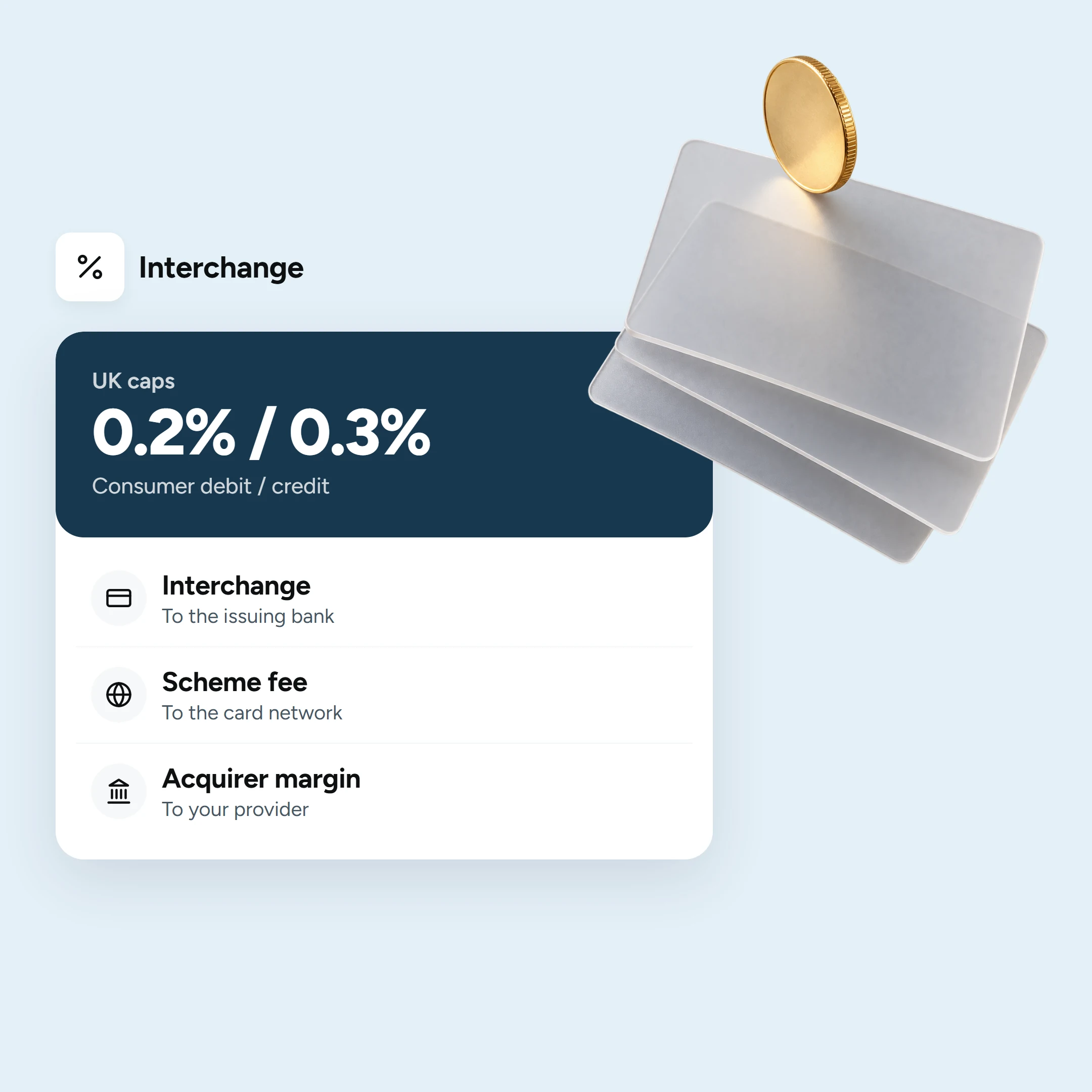
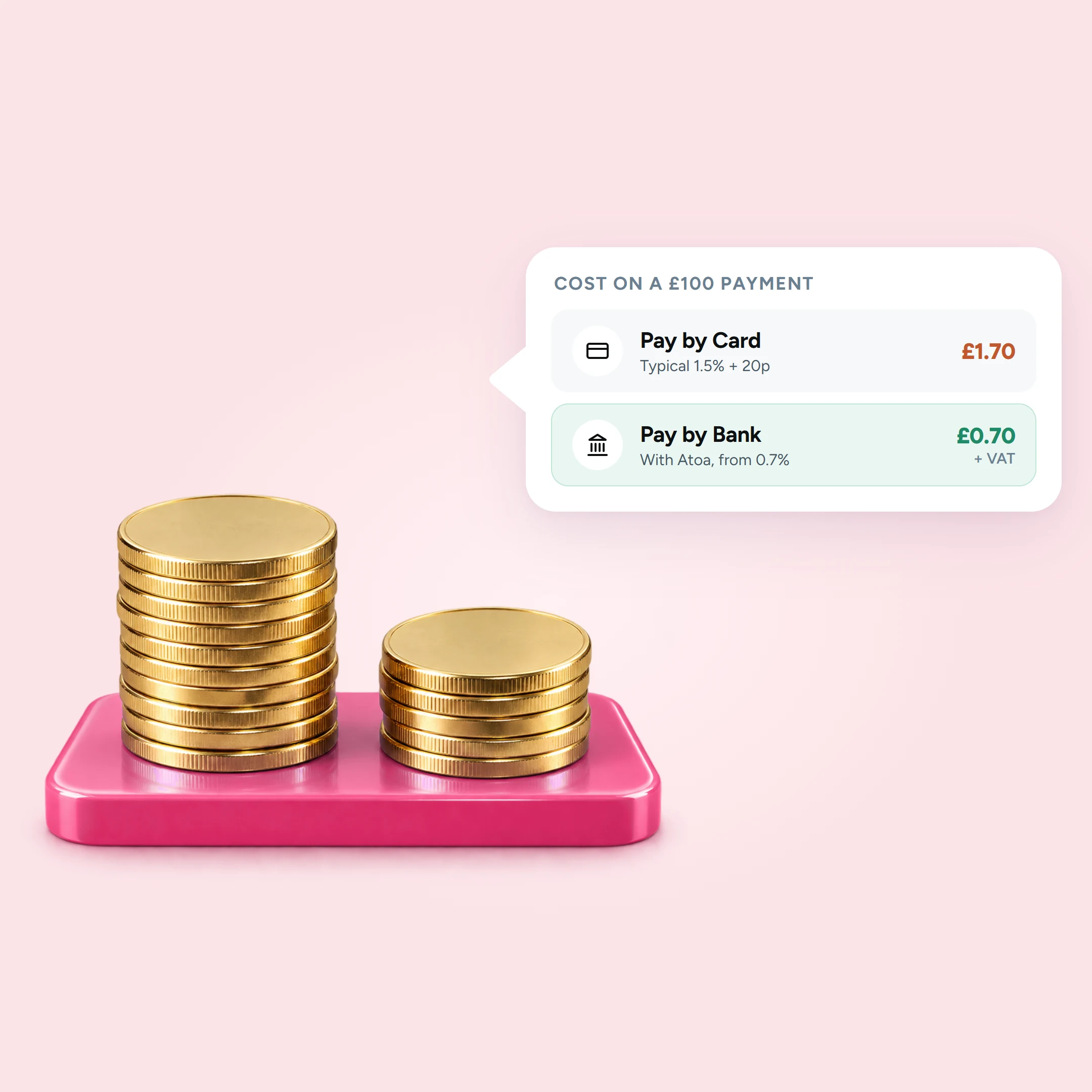
Unlike a traditional acquiring bank, it doesn’t process payments through any card network. This process removes card interchange fees and card-scheme chargebacks.
However, the pay by bank payment provider’s responsibilities extend beyond initiating payments. Understanding how settlement, payment confirmation and refunds work helps businesses know when they’ll receive their money and what happens if a transaction fails.
What Does a Pay by Bank Acquirer Do?
A Pay by Bank provider takes care of several responsibilities that would otherwise involve different parties in a card payment, such as:
| Responsibility | What Happens With Pay by Bank |
|---|---|
| Merchant onboarding | Verifies business details and completes required compliance checks. |
| Payment initiation | Sends payment instructions to the customer’s bank with their consent. |
| Authentication | The customer authorises the payment through their banking app. |
| Settlement | Funds move between bank accounts, typically through Faster Payments. |
| Transaction tracking | Provides payment updates and records for reconciliation. |
| Refunds | Supports refunds according to the provider’s available features and arrangements. |
The main regulated activity behind these transactions is payment initiation services (PIS). A payment initiation service provider (PISP) requests a bank transfer on the customer’s behalf, with their authorisation. However, initiating a payment doesn’t necessarily mean the provider receives or holds the funds.
How a Pay by Bank Acquirer Handles Payments?
Beyond initiating payments, providers give businesses visibility into their transactions. How they handle settlement, payment confirmation and refunds depends on their operating model.
Payment Settlement and Fund Transfers
Some providers initiate payments directly between the customer’s bank account and the business’s account. Others use intermediary accounts before paying merchants.
The difference affects how funds move, when they’re available and which safeguarding requirements apply.
Businesses should understand their provider’s settlement arrangements and verify its regulatory permissions on the FCA Register.
Payment Confirmation and Transaction Status
A customer authorising a bank payment doesn’t always mean the funds have arrived. Banks can delay or reject transactions because of security checks, insufficient funds or other restrictions.
Payment providers communicate transaction statuses such as pending, completed or failed. These updates help businesses reconcile sales and avoid fulfilling orders before payment is confirmed.
For example, a car dealership accepting a £5,000 deposit needs confirmation that the payment has completed before releasing the vehicle.
Refund Management and Customer Disputes
Pay by Bank payments don’t use card networks, so they’re not subject to traditional card-scheme chargebacks.
Instead, refunds generally involve a separate transfer to the customer’s bank account. Depending on the provider, merchants may be able to issue full or partial refunds through a dashboard or API.
Refund processing times, required bank details and available functionality can vary between providers.
Pay by Bank Acquirers vs. Traditional Card Acquirers
Traditional card acquirers operate within card payment networks, handling authorisation, clearing, settlement and card disputes.
Pay by Bank providers work differently. They use open banking infrastructure to initiate account-to-account transfers without involving card networks.
A company offering both payment methods may work with separate regulated partners for each service.
For businesses, the important consideration is understanding who handles each payment, when funds become available and how problems are resolved.
Alongside these responsibilities, comparing fees, bank coverage and integrations can help businesses identify a provider that meets their payment requirements.
SHARE ARTICLE
Share link copied!