
Ready to get started?
Easily integrate next-generation payments and financial data into any app. Build powerful products your customers love.
SHARE ARTICLE


 Share link copied!
Cash flow is the part of running a private physiotherapy clinic that does not get talked about enough. A fully booked diary looks healthy on paper. But if payments are arriving days after sessions, invoices are sitting unpaid, or appointments are being missed without enough notice to fill the slot, the financial picture looks quite different in practice.
Improving physiotherapy clinic payment collection is about more than just having the right payment methods in place. It is also about when and how you collect, and whether your systems do the chasing for you.
Late payments are a bigger problem than most clinics expect
According to the UK Government’s late payment consultation response, late payments cost the UK economy almost £11 billion per year. They’re also responsible for closing 14,000 businesses annually. Private clinics are not immune to this. When patients delay settling invoices, the knock-on effect touches everything from staffing to supplier costs. Most of the friction causing late payments in a clinic setting is fixable. And it usually comes down to when payment is collected and how easy it is to complete.
Collect payment earlier in the journey
The most effective change a physiotherapy clinic can make is to shift payment collection earlier. Ideally before the appointment rather than after. This improves cash flow by bringing income forward and reduces no-shows by creating a financial commitment at the point of booking.
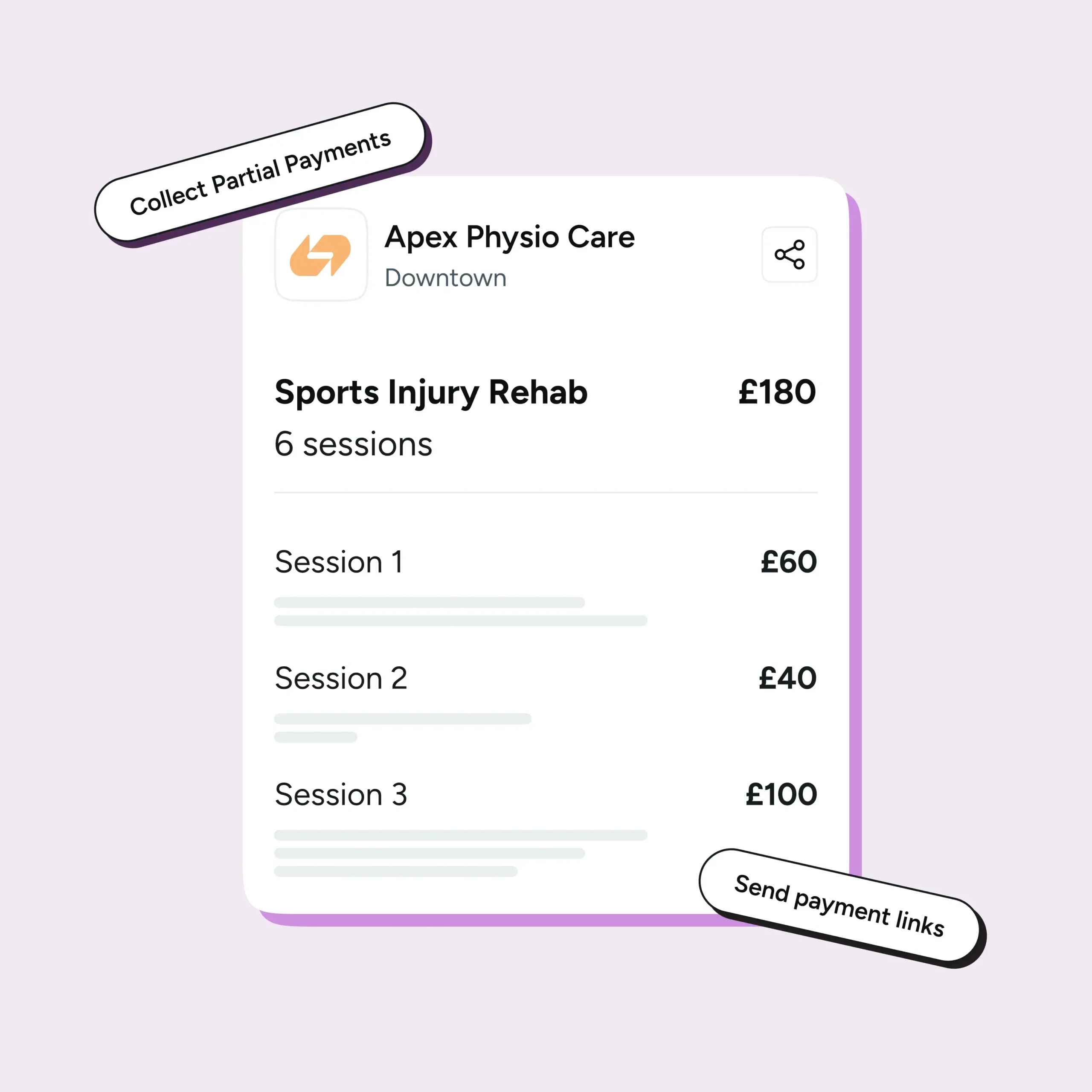
A patient who has paid a deposit is far less likely to miss an appointment without notice. Collecting that deposit via a payment link sent at the time of booking requires no extra admin. The link goes out by SMS or email, the patient pays using Pay by Bank or card. The deposit is then secured before the session takes place.
Remove friction from the payment process
One of the quieter reasons invoices go unpaid is that paying them is more effort than it should be. A patient who receives a plain invoice with a sort code and account number has to open their Bank app, navigate to payments, and enter details manually. Many simply put it off.
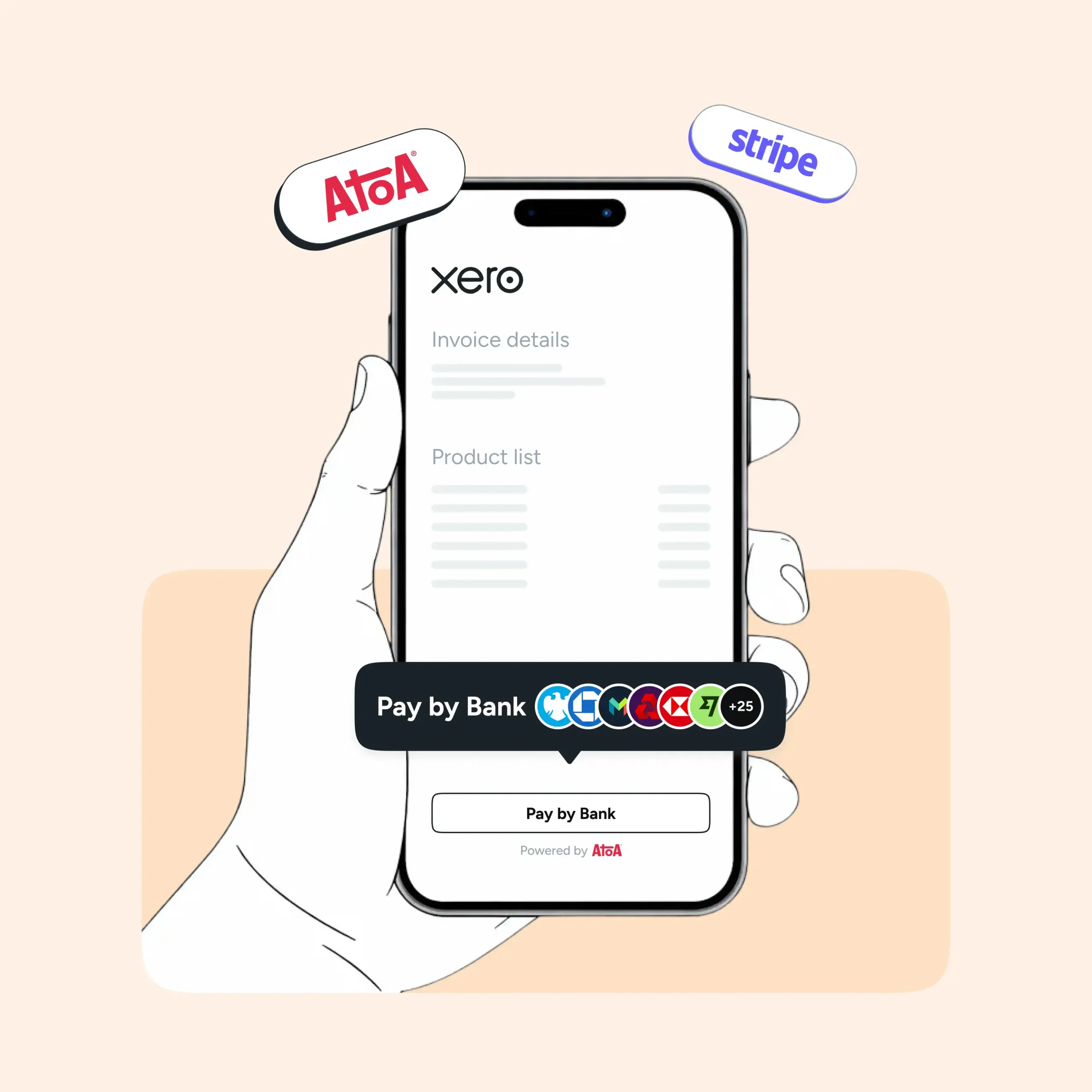
A digital invoice with a Pay Now button, or a payment link sent directly after the session, removes that friction entirely. The patient taps, chooses how to pay, Pay by Bank or card, and the payment is confirmed instantly. The easier the process, the faster payment arrives.
Replace manual chasing with automated reminders
Chasing payments manually takes time and feels uncomfortable on both sides. Automated payment reminders remove the personal element from the chase without losing the prompt. Send a reminder automatically by SMS a few days before or after an invoice is due. This lands as a practical nudge rather than an uncomfortable call. Payments come in faster, and the patient relationship stays professional.
Centralise your payment tracking
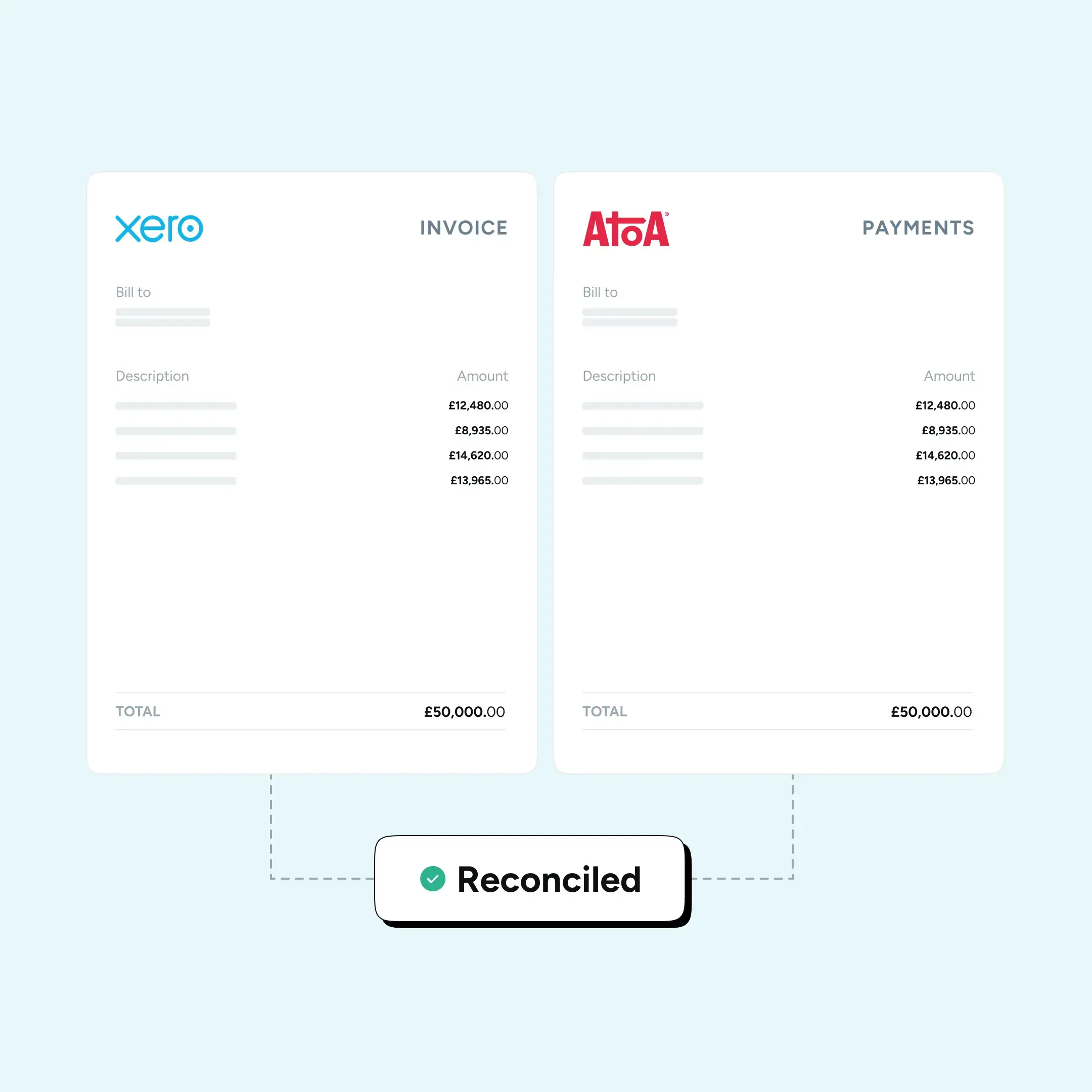
For clinics handling a mix of self-pay patients, insured patients, and treatment packages, keeping track of what has been paid and what is outstanding can become complicated quickly. Centralising payments through a single platform means you can see paid and unpaid at a glance. You can also receive instant notifications when a payment comes in, and reconcile with your accounting software without manual data entry.
Getting it right
Good physiotherapy clinic payment collection comes down to removing the delays built into most manual processes. This includes waiting for invoices to be paid, transfers to clear, and patients to respond to a follow-up. Platforms like Atoa bring Pay by Bank and card payments together in one place. With payment links, automated reminders, instant settlement, and accounting integrations, it gives clinics the tools to get paid faster without the admin overhead. The right setup replaces waiting with a system that largely takes care of itself.
Want to see how Atoa can work for your physiotherapy practice? Book a free demo with the UK-based team.
SHARE ARTICLE
Share link copied!