
Ready to get started?
Easily integrate next-generation payments and financial data into any app. Build powerful products your customers love.
SHARE ARTICLE


 Share link copied!
Picture a Friday night service. The kitchen is on the pass, table 12 wants to split the bill three ways, a Deliveroo order has just landed and the card machine is at the other end of the room. The point-of-sale system is the thing holding all of that together, or failing to. Choosing the right one is less about the longest feature list and more about how it fits your service style, your kitchen and, increasingly, how you take payment at the table.
Cash has all but left the building, with the FCA expecting fewer than one in ten transactions to be made in cash by 2028 (FCA), so the question is no longer whether you go digital but which system and which digital payments sit behind it. This guide compares ten restaurant POS systems used across the UK, what each is best for, what to check before you sign, and what the payments side will really cost you.
What a restaurant POS system needs to do in 2026
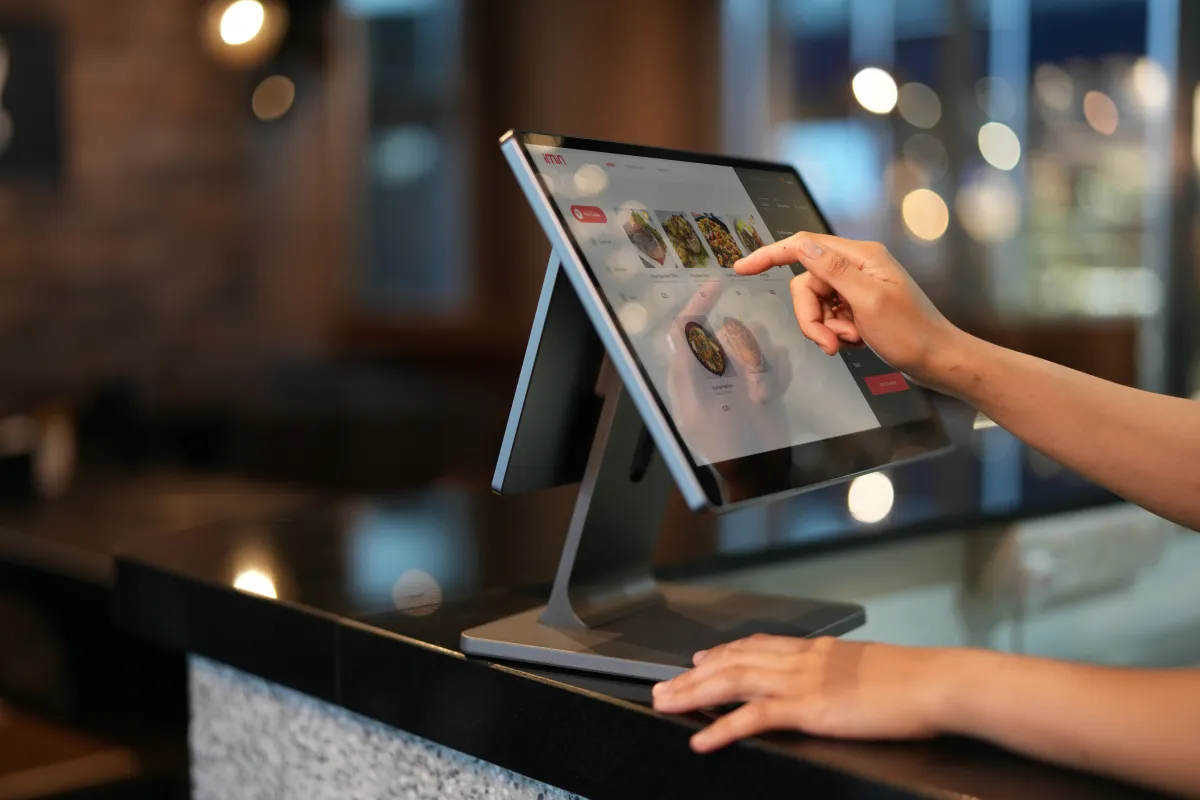
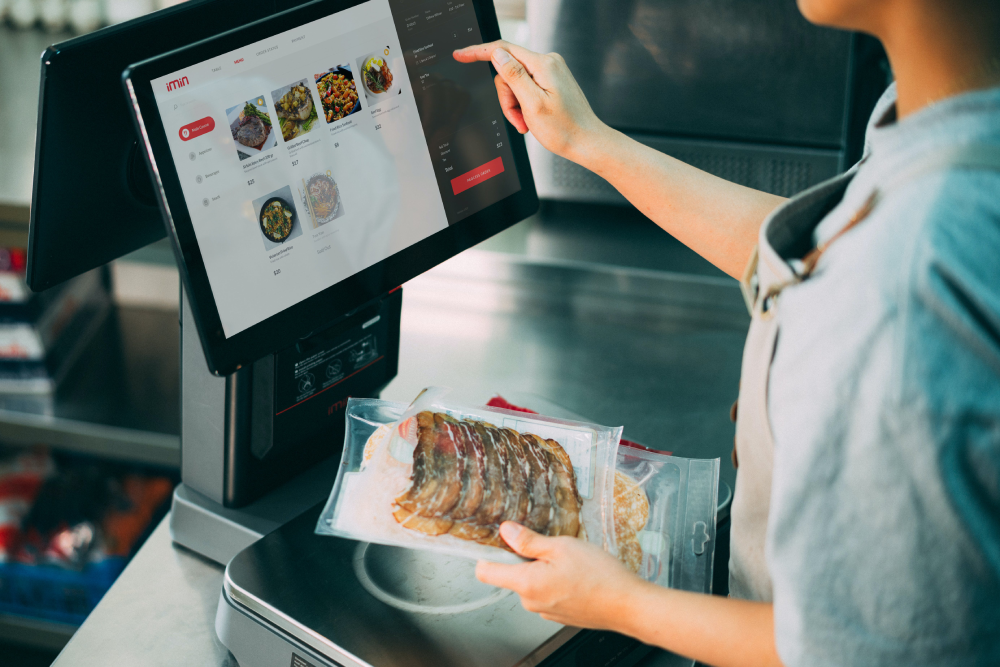
A restaurant POS (also written EPOS, for electronic point of sale) is the software and hardware that takes orders, fires them to the kitchen, manages tables and stock and closes the bill. If you are still working out the basics, our explainer on how POS systems work and our round-up of free POS software are the place to start.
For a UK restaurant in 2026, the checklist has moved on from “does it print receipts”. The things operators now ask about are delivery integration, so Deliveroo, Uber Eats and Just Eat orders land in the same kitchen queue as walk-ins; allergen and ingredient tracking to support Natasha’s Law labelling on pre-packed food; an offline mode so a broadband drop does not stop service; real-time reporting across several sites; kitchen display screens instead of paper tickets; and a payments layer that lets guests pay at the table quickly, at a fee that does not eat the margin on a £14 main.
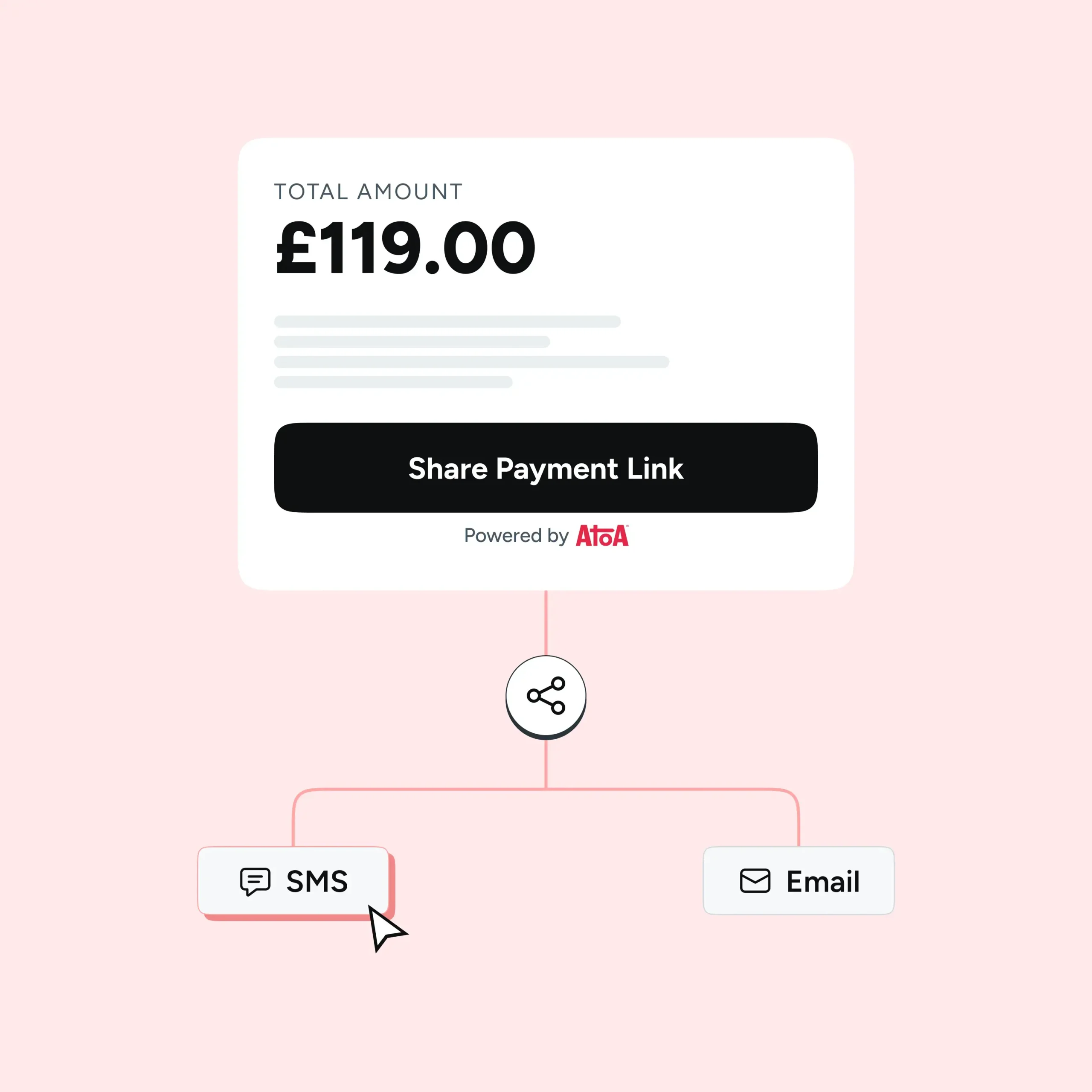
That last point is where Atoa comes in. Atoa is not a POS. It is the payments layer that works alongside your till, so guests can scan a QR code shown on any screen and pay by bank or card, or tap on an Atoa terminal, and the payment is confirmed to your team in seconds. Where the till is integrated, the table closes automatically and the payment shows as a tender type in your EPOS. Full detail is on our restaurant payments page.
Restaurant POS systems compared
The table gives the shape; the profiles below give the detail. Pricing changes often and most vendors quote per site, so treat the pricing column as a starting point and confirm with the vendor.
| System | Best for | Pricing model | Atoa payments |
|---|---|---|---|
| Epos Now | Independents and small groups wanting an all-in-one | Hardware bundle plus monthly software | Integrated |
| pointOne | Casual dining, takeaways and kiosks | Fixed monthly fee, no commission | Integrated, QR on receipt |
| Tevalis | Multi-site groups, pubs, leisure | Enterprise licence | Integrated |
| Till Tech | Takeaway-led, multi-location | Monthly, hardware options | Integrated |
| Presto Express | Independent restaurants and takeaways | Monthly, hardware options | Works alongside; direct integration in development |
| VDIT | Vietnamese-owned and community restaurants | Package with hardware | Works alongside; direct integration in development |
| Lightspeed Restaurant | Larger venues needing deep analytics | Monthly per site | Works alongside (QR on any screen) |
| TouchBistro | Table-service restaurants on iPad | Monthly per site | Works alongside |
| Clover | Venues wanting flexible packages | Monthly, tiered | Works alongside |
| Hike POS | Retail-leaning hospitality, multi-site | Monthly, cloud | Works alongside |
Epos Now
Epos Now is the system most UK independents will have seen in a café or pub. It runs in-house, takeaway and delivery sales from one screen, sends orders to a kitchen display, manages multiple locations and stock, and connects to more than a hundred apps including the main accounting packages. Hardware comes as a bundle (terminal, cash drawer, receipt printer) with the software on a monthly plan, and the entry bundle price has moved several times in the last two years, so check the current figure on the vendor’s site. Atoa has a live Epos Now integration; the setup steps are in our Help Centre guide to connecting Atoa with Epos Now.
pointOne
pointOne was the first UK EPOS provider to put cashless self-service kiosks into restaurants and it still leads for casual dining, takeaways and coffee shops that want speed at the counter. You get table management and reservations, menu and modifier control, live sales reporting, guest feedback tools and accounting integrations, on a fixed monthly fee rather than a commission model. The Atoa integration prints an Atoa QR code on the receipt, so a guest can scan and pay from their own Bank app the moment the bill arrives; we wrote up how it works in our pointOne integration post.
Tevalis
Tevalis is the enterprise option, used by pub groups, members’ clubs, food halls and casinos as well as restaurants. It offers fixed terminals, tablets and quick-service hardware, reporting you can reach from anywhere, stock control across sites and a long list of integration partners covering loyalty, workforce management and payments. Atoa’s Tevalis integration is live, which matters for groups because the table-closing and tender-type logic works the same way on every site.
Till Tech
Till Tech suits operators with several takeaway or quick-service locations. It covers online ordering and delivery, a choice of fixed EPOS, handheld and self-serve kiosk hardware, one-to-one onboarding and integrations with delivery services and payments, including a live Atoa integration.
Presto Express
Presto Express builds EPOS for the UK restaurant market with a focus on being quick to set up. It pairs with Just Eat, Uber Eats and Deliveroo so delivery orders never get missed, includes a kitchen management screen that tracks prep and compliance, and connects to popular accounting platforms. Atoa QR payments work alongside the till from the Atoa app or dashboard today, and a direct integration is in development.
VDIT Solutions
VDIT is popular with small and medium Vietnamese-owned restaurants and offers a multi-language interface, remote access, daily and monthly takings reports, table and order management, staff logins, split bills and stock tracking, sold as a package with a touchscreen, printer and cash drawer. Atoa works alongside VDIT today, with a direct integration in development.
Lightspeed Restaurant
Lightspeed is the analytics-heavy choice for larger venues and groups that want detailed data on menu performance, staff and stock, with omnichannel support for venues that also sell online. It is a monthly per-site subscription and the vendor quotes on request. There is no direct Atoa integration; Atoa QR payments run alongside it on a tablet, phone or the till display.
TouchBistro
TouchBistro is built for table service on iPad, with custom floor plans, course firing, offline mode so service continues if the connection drops, and menu and stock management adapted to different restaurant styles. Atoa works alongside it in the same way as Lightspeed.
Clover
Clover offers a range from a basic counter package to a full restaurant setup, with fingerprint login, online ordering, loyalty and time tracking, on tiered monthly plans. It is worth comparing its bundled payment rates against a separate payments layer before you commit, because the processing fee is usually the larger cost over a year.
Hike POS
Hike is a cloud POS that leans retail but handles hospitality venues with multi-location stock, strong reporting and export, built-in loyalty and ecommerce sync. It is best where a business runs a shop and a café from the same system.
How to choose a restaurant POS system
Start with service style rather than software. A fine-dining room needs coursing and table-side ordering; a takeaway needs delivery aggregation and a kiosk; a five-site group needs one reporting view and consistent payment handling everywhere. From there, four questions settle most decisions.
What does it cost over three years, including payments? Software and hardware are visible; payment processing usually is not, and on a £600,000 turnover restaurant a percentage point of fees is £6,000. Ask for the card rate, the fixed per-transaction fee and whether the POS vendor locks you into their own processor.
Can guests pay at the table without a terminal? Bringing a card machine to every table is slow at peak. A QR code on the bill, the receipt or a handheld screen lets the guest pay from their own Bank app and leave, and lets a party split the bill without the server standing there.
Does it integrate with what you already run? Delivery platforms, your accounting software (Xero, QuickBooks or Sage) and your payments provider. Integration means the table closes and the books reconcile without anyone retyping figures.
Will it survive a bad night? Offline mode, UK support hours and how quickly a broken terminal is replaced matter more than any dashboard.
Try before you buy where you can; most vendors offer a demo and several offer a trial. For mobile and pop-up service, our guide to mPOS covers the handheld end of the market.
Do you still need a card machine for a restaurant?
Most restaurants still take the majority of payments on a card machine brought to the table, and a good terminal remains part of the setup for guests who want to tap. What has changed is that it no longer has to be the only route. With Atoa you can run both: an Atoa card terminal for Visa, Mastercard, Apple Pay and Google Pay, from 1.3%, and Pay by Bank by QR code on any screen from 0.7% + VAT, approved by the guest in their own Bank app with Face ID or a fingerprint, settled in seconds and with no chargebacks. Guests can add a tip at the point of payment and are prompted to leave a Google review afterwards. The comparison table and full setup are on the restaurant payments page.
What the payments side costs
Whichever till you choose, the payments fee is the number to watch. Card acceptance in the UK typically costs a restaurant between 1.5% and 3.4% all-in once interchange, scheme and acquirer fees are added (Payment Systems Regulator). Pay by Bank runs over Faster Payments rather than the card networks, so there is no interchange to pass on; Atoa’s published rate is 0.7% + VAT, which works out at about 70p per £100 and up to 50% lower than card fees on the same order. Atoa plans start free (Basic), with Growth at £79 and Advanced at £149 per location per month for features such as Google Reviews, bulk payment links and custom roles; full detail is on the pricing page.
FAQs
What is the best restaurant POS system in the UK?
There is no single best system. For independents and casual dining, Epos Now and pointOne are the most common choices; Tevalis and Lightspeed suit multi-site groups; TouchBistro suits iPad-based table service; Till Tech and Presto Express suit takeaway-led operators. Choose by service style, then by total cost including payment fees.
How much does a restaurant POS system cost in the UK?
Expect a hardware bundle from a few hundred pounds plus a monthly software fee per site, quoted by the vendor. Payment processing is usually the larger cost over time: card fees typically run 1.5% to 3.4% all-in, while Pay by Bank with Atoa is from 0.7% + VAT.
What is the difference between POS and EPOS for a restaurant?
Nothing in practice. EPOS (electronic point of sale) is the UK term; POS is the international one. Both describe the same till software and hardware. For the payments side of an EPOS for restaurants, see our restaurant payments page.
Do I need a card machine for my restaurant?
Most restaurants still use one, and Atoa supplies a terminal for guests who want to tap. Many now add Pay by Bank by QR code alongside it so guests can pay from their Bank app at the table at a lower fee, without waiting for a terminal.
Which restaurant POS systems work with Atoa?
Epos Now, pointOne, Tevalis and Till Tech have live Atoa integrations. Presto Express and VDIT work alongside Atoa today with direct integrations in development. Any other till works alongside Atoa by showing the QR code on a phone, tablet or till display.
Can a POS system help with Natasha’s Law and allergens?
Yes. Most modern restaurant POS systems hold ingredient and allergen data against each menu item and can print the labels required for pre-packed food for direct sale. Check that the system you choose does this natively rather than through a paid add-on.
Sources
- Financial Conduct Authority, Who benefits from the shift away from cash?
- Payment Systems Regulator, card-acquiring market review
- Food Standards Agency, allergen labelling for prepacked for direct sale food (Natasha’s Law)
- Atoa Help Centre, Can I use Atoa with my point-of-sale system?
SHARE ARTICLE
Share link copied!