
Ready to get started?
Easily integrate next-generation payments and financial data into any app. Build powerful products your customers love.
SHARE ARTICLE


 Share link copied!
Most businesses spend a lot of energy getting a customer to the point of saying yes. The conversation goes well, the customer is convinced. Then comes the checkout link. A new tab opens or does not. The moment that took time and effort to build quietly slips away. Conversational payments are built around one insight: the best time to take a payment is the moment the customer decides to pay, not three steps later.
This guide explains what conversational payments are, how they work across chat, SMS, and voice, and what UK merchants can do today to start collecting payments inside the conversation rather than outside it.
What are conversational payments?
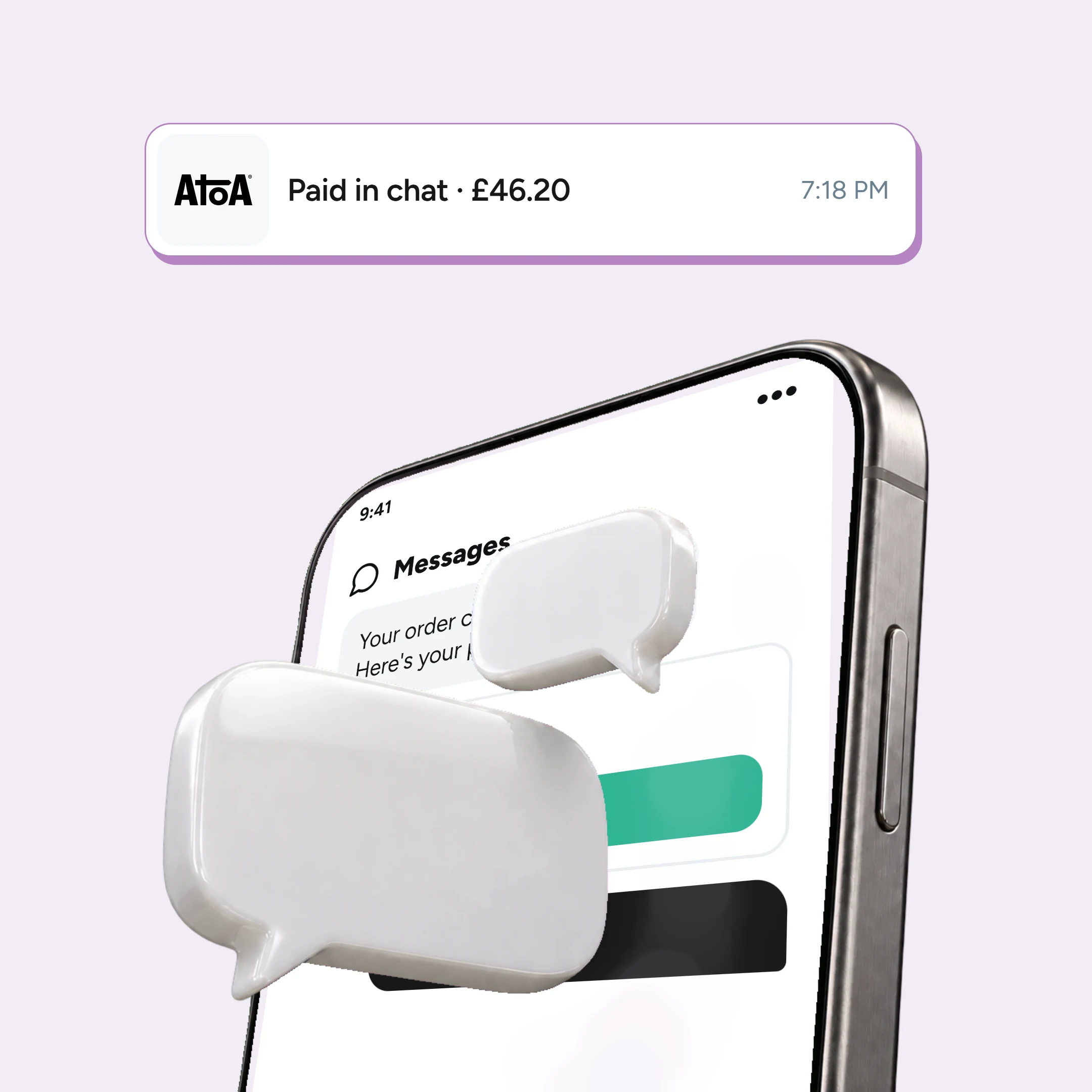
Conversational payments are payments made within an on-going conversation rather than on a separate checkout page. The customer is chatting, messaging, or speaking with a business. The business then sends a payable link. The customer clicks on that link and pay, without leaving the thread.
It sits within the broader shift toward conversational commerce, where buying happens in the channels people already use to communicate. Support chats, SMS, email, voice assistants. The payment comes to the customer rather than the customer going to find a checkout.
The logic is simple. Every extra step between intent and payment is a chance to lose the sale. Keeping the payment inside the conversation removes that friction at exactly the right moment.
How conversational payments work
In most cases, a business sends a secure payment link inside the conversation. The customer taps it and choose between Pay by Bank or card . With Atoa payment links, for example, you send a link by SMS or email, the customer taps it, and they approve the payment in their Bank app or enter their card details. Nothing sensitive is read aloud or typed into the chat itself.
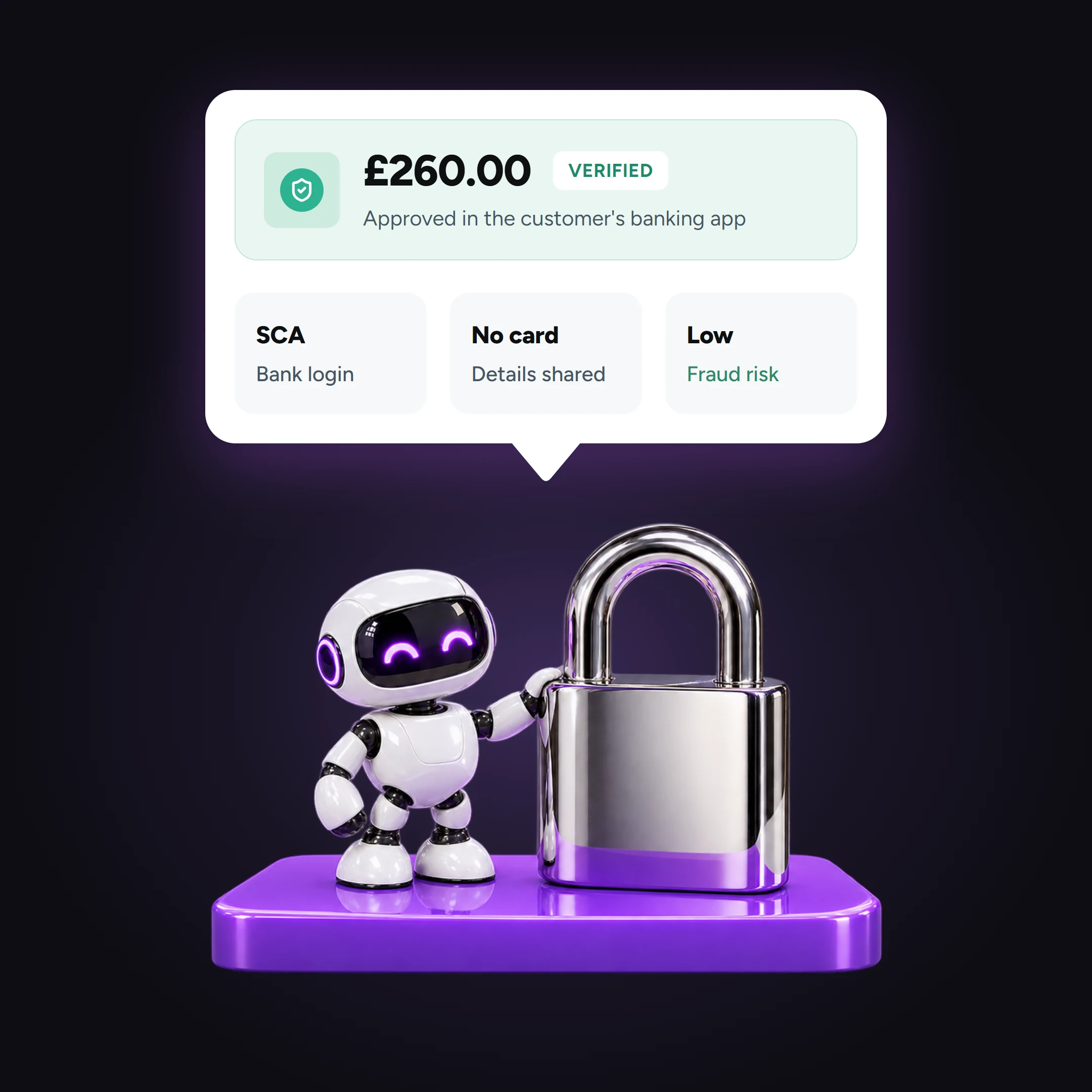
In more advanced setups, a voice or chat assistant surfaces the payment for the customer to confirm, so the request and the approval both occur inside the conversation. The constant across every version is that the customer is the one who confirms the payment. They are not handing over details. They are approving a specific amount through a secure channel.
Conversational vs agentic payments
These two terms are related but describe different things, and the distinction matters.
In a conversational payment, the customer confirms the payment themselves inside the conversation. A human is in the loop at the moment money moves.
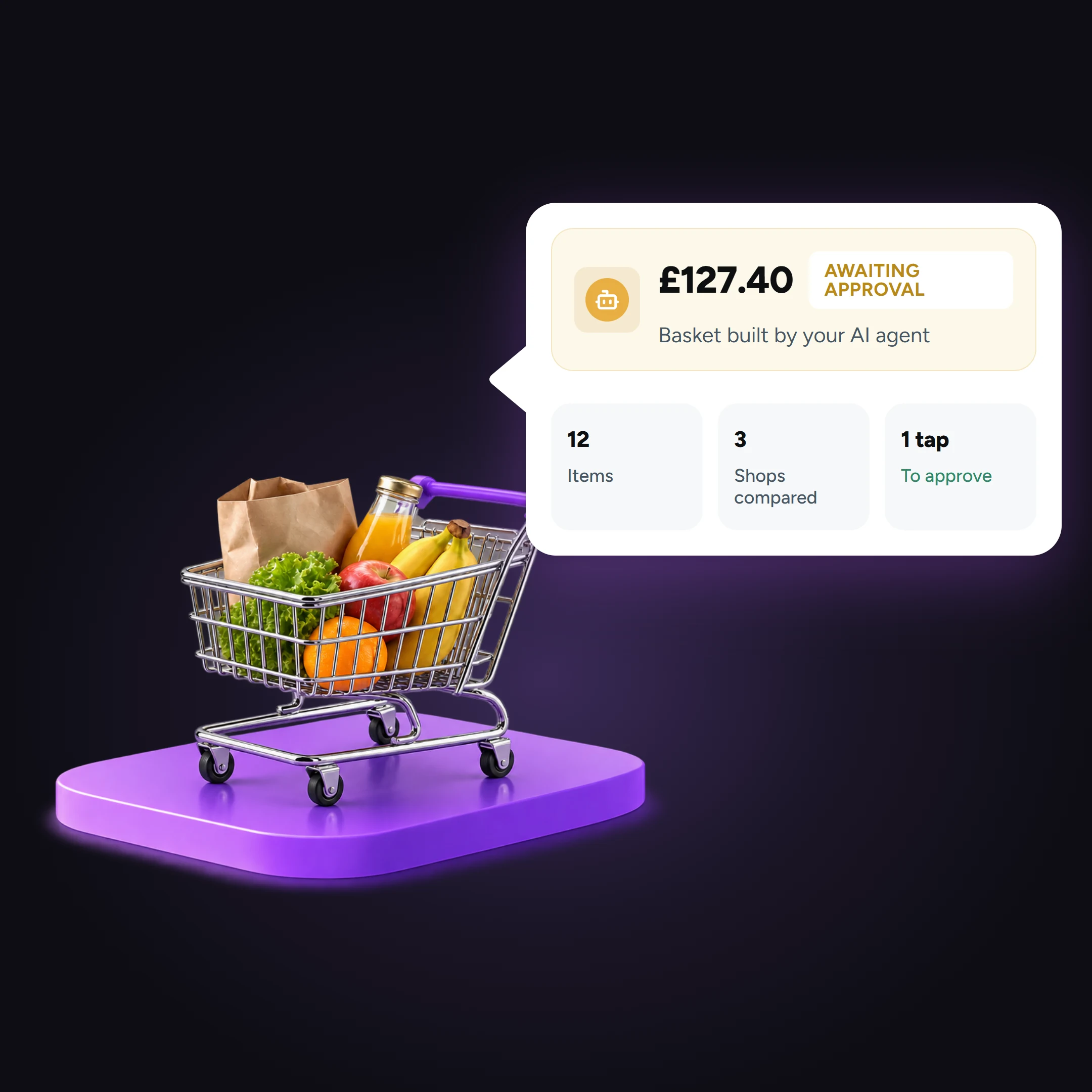
In an agentic payment, an AI agent completes the purchase on the customer’s behalf, within limits they have set in advance. The customer is not present at the moment of payment but they have pre-authorised it.
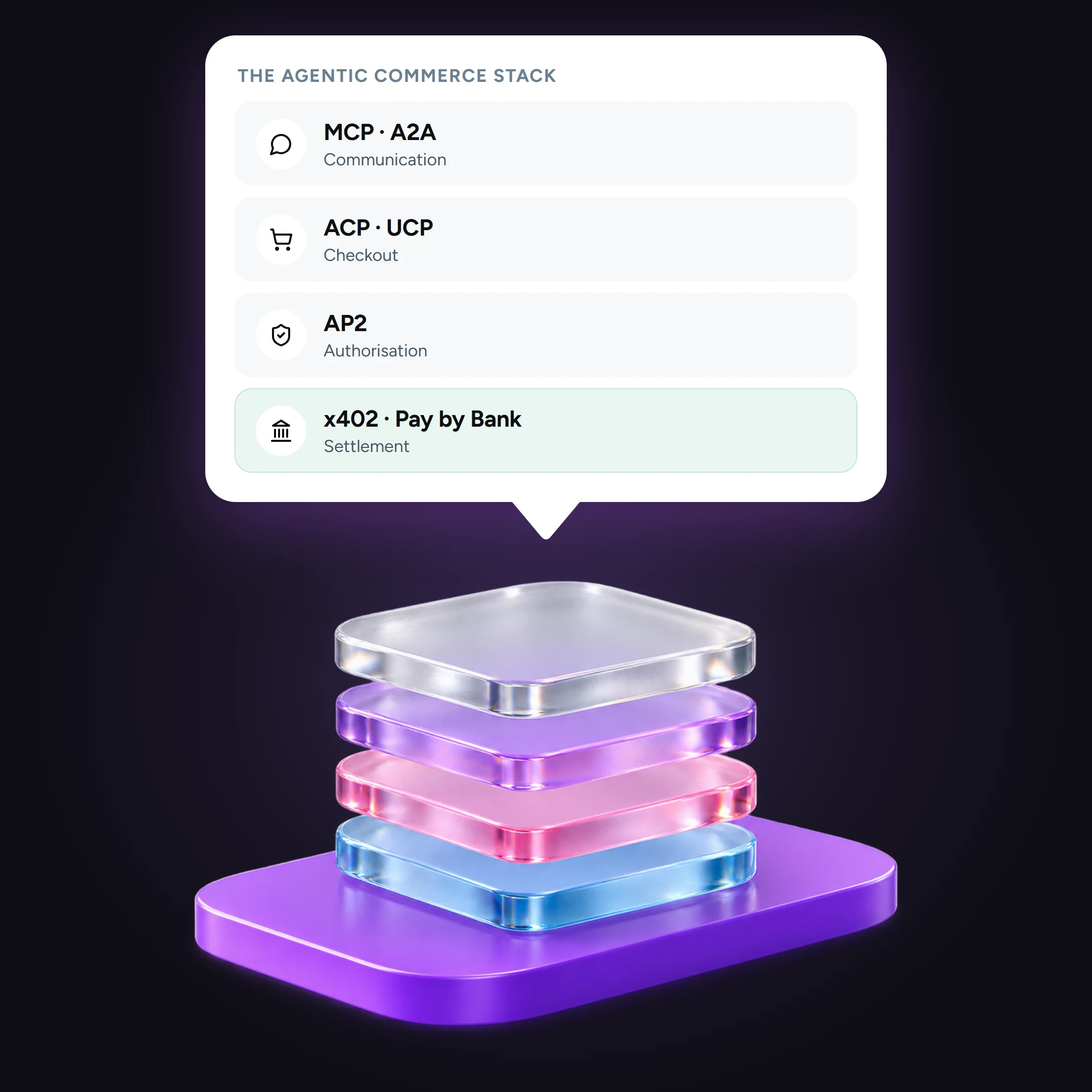
Conversational payments are a stepping stone toward agentic commerce. The same channels, the same payment rails, but the human still presses pay. For businesses thinking about where this goes next, getting agent-ready now means the infrastructure is already in place when assistants start acting rather than just relaying a link.
For the full picture, see what agentic commerce is.
Where conversational payments are already making an impact
Conversational payments aren’t limited to one industry or channel. The use cases are more varied than most people expect when they first hear the term. Anywhere a customer is already having a conversation with a business can become a place to complete a payment, without switching apps or interrupting the experience.
- Customer support and sales: A customer asks a question through live chat, decides to go ahead with a purchase, and the agent shares a payment link in the same conversation. The customer pays in seconds, and the conversation continues uninterrupted.
- SMS and email: Perfect for deposits, invoices, balance payments, or appointment confirmations. Instead of asking customers to log into a portal, businesses send a secure payment link that can be opened and paid in just a few taps.
- Voice assistants: A customer asks to pay a bill or renew a subscription using a voice assistant. The assistant initiates the payment, while the customer securely confirms it on their phone through their Bank app.
What it means for UK merchants
You do not need anything complicated to start. Sending a secure payment link inside a message is conversational payments in practice, and it is immediately safer than reading card details aloud over the phone or keying a card number into a virtual terminal while a customer dictates it.
Atoa supports payment links by SMS and email, with Pay by Bank and card both available inside the same link. The customer gets the lower-fee bank option and the card fallback. You get the payment confirmed, the funds settled, and no card details passing through the conversation at any point.
From there, the next step is getting agent-ready, where AI assistants move from relaying a link to completing a transaction on the customer’s behalf.
FAQs
What are conversational payments?
Payments made inside a conversation, such as a chat, message or voice assistant, usually by tapping a payment link or confirming a prompt, without going to a separate checkout page.
How do you pay in a chat?
The business sends a secure payment link in the conversation, and you tap it and choose Pay by Bank or card from your own device. Nothing sensitive is typed into the chat itself.
Are conversational payments safe?
Yes, when the link comes from a business you are expecting and the payment runs through a regulated provider with Strong Customer Authentication. Approving a payment in your own Bank app is safer than reading card details aloud over the phone.
What channels do conversational payments work on?
Support chats, SMS, email, and voice assistants are the most common in the UK. The payment link travels through the channel. The actual payment is approved by the customer on their own device.
How is this different from agentic commerce?
In conversational payments, the customer confirms the payment themselves. In agentic commerce, an AI agent completes the purchase on the customer’s behalf within pre-set limits.
Sources (as of 2026)
- Strong Customer Authentication for regulated payments (UK): FCA, Strong Customer Authentication
- Atoa payment links by SMS and email: Atoa SMS payments
- Atoa Pay by Bank: paywithatoa.co.uk/pay-by-bank
- Agentic payments: paywithatoa.co.uk/agentic-payments
SHARE ARTICLE
Share link copied!