
Ready to get started?
Easily integrate next-generation payments and financial data into any app. Build powerful products your customers love.
SHARE ARTICLE


 Share link copied!
Managing finances in a law firm isn’t always straightforward. Delayed payments, high transaction fees, and time-consuming reconciliation can take focus away from clients and eat into profits. There are many firms that still rely on traditional bank transfers, cheque and card payments, which slow down cash flow and add extra costs.With clients paying in instalments or through multiple channels, keeping track of payments can quickly turn into a tedious and frustrating task.
The good news? Open banking for law firms offers a faster, simpler, and more cost-effective way to get paid. It helps firms get money in the bank instantly, cut down on admin responsibilities, and save on unnecessary fees.
What is open banking?
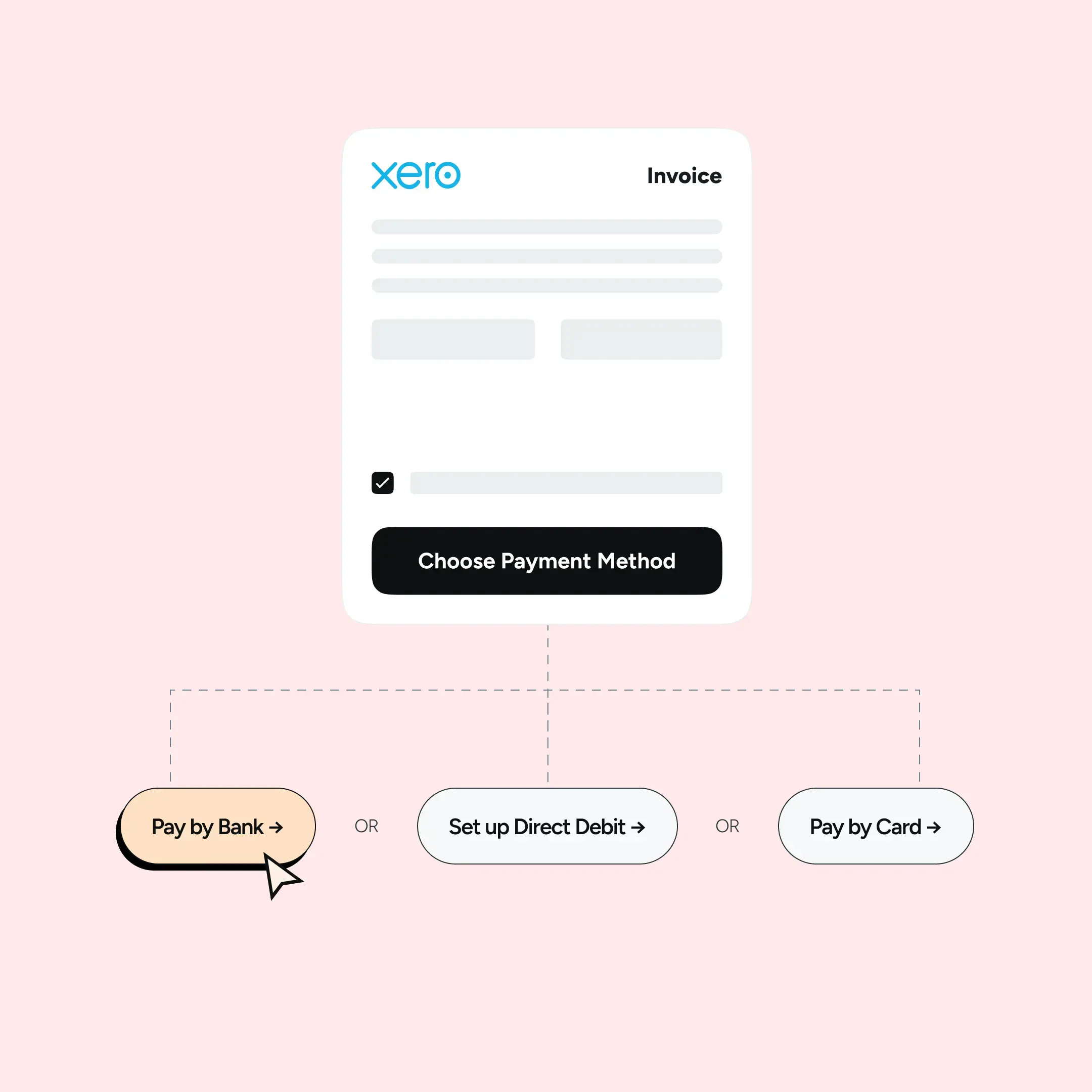
Open banking allows businesses to connect directly with banks and authorised providers, making payments quicker, more secure, and cheaper. Instead of relying on slow, expensive card transactions, law firms can accept payments straight from clients’ bank accounts no middlemen, no hidden fees, and no unnecessary delays. For law firms, this means payments clear instantly, reconciliations become easier, and clients enjoy a hassle-free way to pay. It’s a modern alternative that helps firms keep their finances in check while improving the client experience.
How open banking is making law firms more profitable
Here’s how law firms are benefiting from open banking and why it’s becoming the smarter way to handle payments.
1. Faster payments
Waiting days for payments to clear can hold up business operations. Open banking ensures funds arrive instantly, giving firms immediate access to their money. No more chasing invoices or worrying about late payments.
2. Lower transaction fees
Credit card payments come with high processing fees, interchange charges, and other costs. Open banking removes the need for card networks, cutting transaction fees by up to 50%, so firms keep more of what they earn.
3. Improved cash flow
With payments arriving in real time, law firms can manage cash flow more effectively. As a result, firms no longer have to wait for funds to clear, money is available as soon as a client pays, helping firms budget and plan better.
4. A better client experience
Paying legal fees shouldn’t be stressful. Open banking makes it easier and safer for clients to pay, using their own banking app without needing card details or passwords. It’s quick, secure, and familiar, giving clients peace of mind while reducing friction at checkout.
5. Easy to implement
First off, we know switching payment systems sounds like a hassle. However, open banking works alongside existing payment methods, making it a simple, low-effort upgrade.
6. Verifying source of funds
Traditionally, verifying where a client’s money comes from involves a lot of paperwork and time. With open banking, law firms can securely access clients’ financial information directly from their banks. This means quicker and more accurate checks, speeding up client onboarding and ensuring compliance with anti-money laundering laws.
7. Reducing fraud risks
Preventing fraud is important in the legal field. Open banking for law firms reduces risks by allowing direct, authenticated transactions between clients and law firms, removing the need to share sensitive bank details through less secure methods like email. This helps protect both the firm’s and clients’ assets from scams such as email fraud.
How open banking payments supports growth
Beyond just saving time and money, open banking helps law firms grow. Here’s how:
- Less admin, more productivity – Payments are automatically matched to invoices, reducing paperwork and manual work.
- Lower costs, higher profits – Saving on payment fees means more money to reinvest in staff, technology, or marketing.
- Real-time financial insights – Tracking payments in real time makes budgeting and financial planning much easier.
- A stronger business – Reliable cash flow and reduced overheads put firms in a better position to expand and improve client services.
Why law firms should adopt open banking now
Open banking is quickly becoming the preferred way to handle payments. Firms that adopt it now will benefit from faster transactions, improved cash flow, and lower costs, giving them an advantage over competitors still using outdated payment methods.
On top of that, open banking is highly secure and fully compliant with UK financial regulations. Transactions are protected with strong authentication, reducing fraud risks and making payments safer for both businesses and clients.
Experience the benefits of open banking with Atoa
Atoa makes it easy for law firms to take advantage of open banking, offering instant settlements, lower fees, and seamless integration with existing systems.Thousands of UK businesses are already using Atoa to simplify payments and improve cash flow.
Ready to see how it can work for your firm? Try Atoa free for 7 days and experience the difference.
Sources: Legl
Frequently asked Questions
What is open banking?
Open banking is a secure, regulated system that lets authorised providers connect to bank accounts to initiate payments or read account information, with the customer’s consent. It underpins Pay by Bank, moving money straight between accounts without card networks. In the UK every payment is protected by Strong Customer Authentication.
How does open banking work?
Open banking works by letting a regulated provider like Atoa initiate a payment that the client approves inside their own banking app. The client authorises it with Strong Customer Authentication, and the funds move directly from their account to the firm’s, usually in 3 to 6 seconds via Faster Payments. No card details or bank logins are shared with the firm.
Is open banking safe?
Yes, open banking is safe because every payment is authorised by the client in their banking app using Strong Customer Authentication. Providers must be regulated; Atoa is FCA-authorised (FRN 1007647) and holds ISO 27001 and SOC 2 certifications. No sensitive card or login details are shared, which reduces fraud risk.
What are the benefits of open banking for law firms?
Open banking helps law firms get paid faster, cut fees and reduce admin. Payments settle in 3 to 6 seconds, fees can be up to 50% lower than card processing, and reconciliation is simpler. It also supports source-of-funds checks and lowers fraud risk by keeping payments within authenticated banking channels.
SHARE ARTICLE
Share link copied!