
Ready to get started?
Easily integrate next-generation payments and financial data into any app. Build powerful products your customers love.
SHARE ARTICLE


 Share link copied!
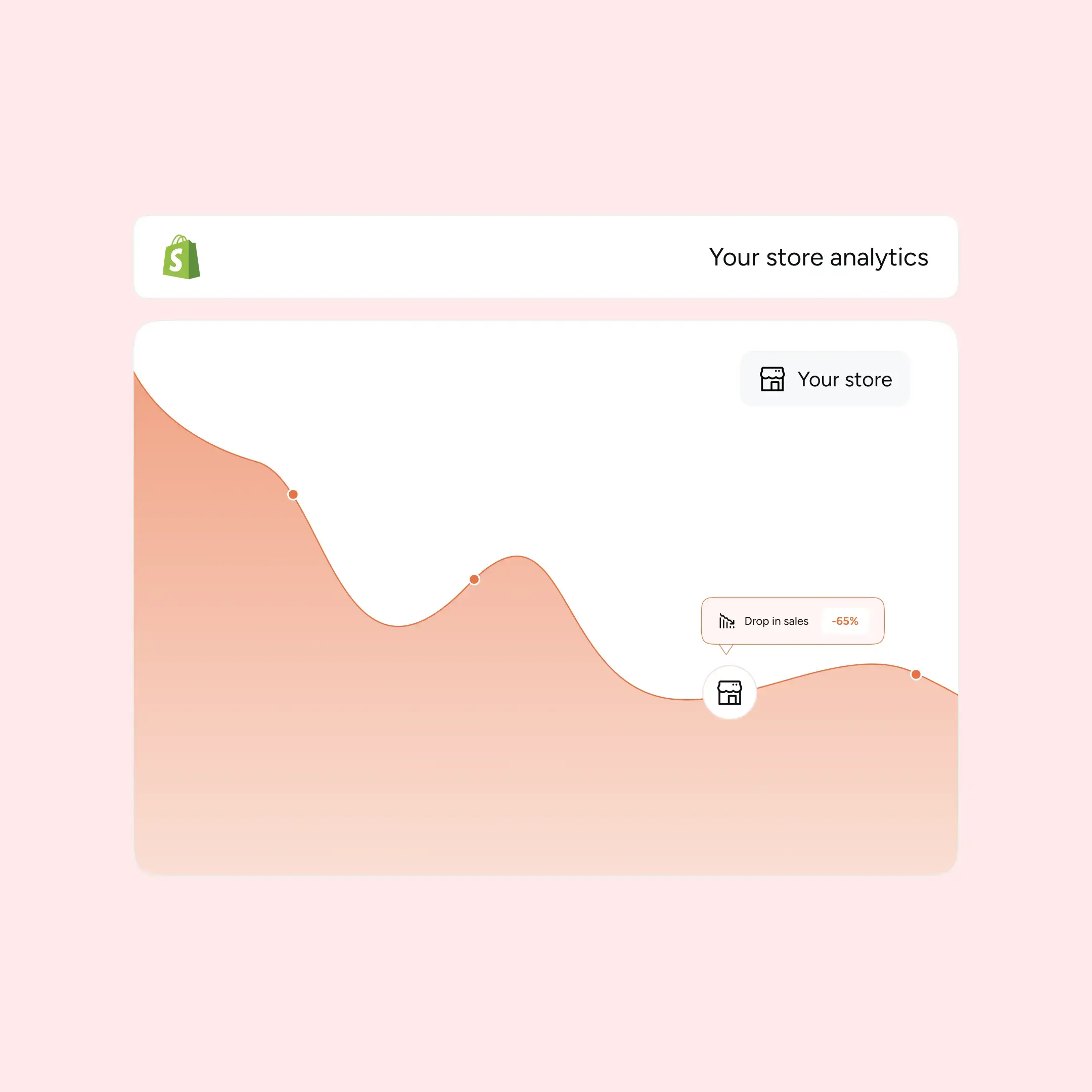
Shopify makes launching an online store easier than ever. But many UK merchants find that even as traffic grows, their net profits stay tight. The reason is not always obvious. Beyond the visible costs like ads and stock, there are less obvious payment and checkout costs quietly eating into revenue and slowing growth. The reason often lies in the hidden costs most dashboards do not show. Not just fees, but friction. There’s also, delays, drop-offs, admin time, and missed opportunities when customers decide faster than your checkout can keep up.
In today’s ecommerce world, speed is everything. And anything that slows a shopper down quietly slows your business too.
Card fees that eat into every sale
Card payments are still the default for most Shopify stores, but they come at a price. Beyond the headline processing rate, merchants also face interchange fees, scheme fees, gateway costs, and sometimes extra charges for international or premium cards.
Individually these may seem small, but together they can push the real cost of a transaction well beyond what many expect. Some guides estimate total processing costs can reach 3 to 3.5 per cent or more per sale once all elements are included. That adds up quickly for high-volume or low-margin stores. Unlike fixed costs, these fees scale directly with success. The more you sell, the more you pay. Over time, that becomes a major drag on profitability.
Abandoned checkouts and lost revenue
Cart abandonment remains one of the biggest unseen drains on Shopify store performance. While rates have dipped slightly in recent months, around 71.7 per cent of online shopping carts are still abandoned, meaning only about 3 in 10 shoppers who add items to their basket actually complete the purchase.
What is changing is how quickly shoppers decide. The median session duration for users who abandon carts has dropped to just 4 minutes and 20 seconds, down from nearly five minutes a year earlier. Customers are comparing options faster, switching tabs more often, and losing patience with anything that feels slow or unclear.
Unexpected costs are still a major trigger. Extra shipping fees, taxes, or card charges that appear late in the journey can push shoppers away instantly. Many do not even close the window. They simply stop, often due to inactivity when the checkout feels too long or demanding. This is why speed and clarity now matter as much as price. With such a short window to win the sale, every extra step becomes a risk.
For merchants, the impact is brutal. Money spent on SEO, ads, and campaigns never turns into revenue. At scale, abandoned carts represent billions in unrealised sales and one of the biggest hidden brakes on growth.
When payments become the bottleneck
In a world where customers move fast, payments need to keep up. But card-based checkouts often introduce friction right at the most critical moment. Customers may be asked to manually enter long card details, complete extra security steps, or retry after a decline. Even when these steps only take seconds, they feel heavy in a journey where shoppers expect things to “just work”.
Payment failures from expired cards, insufficient funds, or blocked transactions add to the problem. Each failure breaks momentum. Some customers retry. Many do not. The cost here is not just lost revenue. It is also the hidden admin work of chasing payments, answering queries, and reconciling partial attempts. In a faster ecommerce environment, any payment experience that interrupts flow becomes a growth limiter.
Chargebacks, disputes, and the cost of uncertainty
Card payments also bring ongoing exposure to disputes and chargebacks. Even when a transaction was genuine, friendly fraud and “item not received” claims can force merchants to spend time gathering evidence and responding to banks.
Each case carries direct fees, the risk of losing the revenue, and the operational cost of managing the process. Over time, this uncertainty becomes another invisible tax on the business, especially for stores handling large order volumes. It is time and energy that could have gone into improving products, marketing, or customer experience.
Settlement delays and cash flow drag
Another hidden cost that slow down Shopify stores sits in cash flow. With cards, funds often take days to reach your bank account. During busy periods, large sums can be stuck “in transit”. That delay matters. businesses still need to pay suppliers, restock inventory, run ads, and cover wages. When access to cash lags behind sales, growth slows or forces reliance on credit. For fast-moving Shopify stores, delayed settlement quietly limits how quickly the business can reinvest and scale.
App stacks and growing complexity
As stores grow, many add apps to fix problems. Cart recovery tools. Fraud protection. Checkout optimisers. Payment add-ons. Each solves a symptom, but each also adds cost. Monthly subscriptions pile up. Integrations need maintaining. More tools mean more points of failure.
Over time, the stack itself becomes a hidden expense, both financially and operationally. What started as a simple store turns into a complex system just to keep conversions stable.
A better way forward for Shopify stores
Reducing these hidden costs starts with rethinking the checkout experience. That means:
- Making payment fast and simple, especially on mobile
- Removing unnecessary steps and surprises
- Offering methods that feel natural and familiar to customers
- Improving reliability so fewer payments fail at the final step
- Choosing options with predictable, lower transaction costs
- Getting funds faster to support cash flow
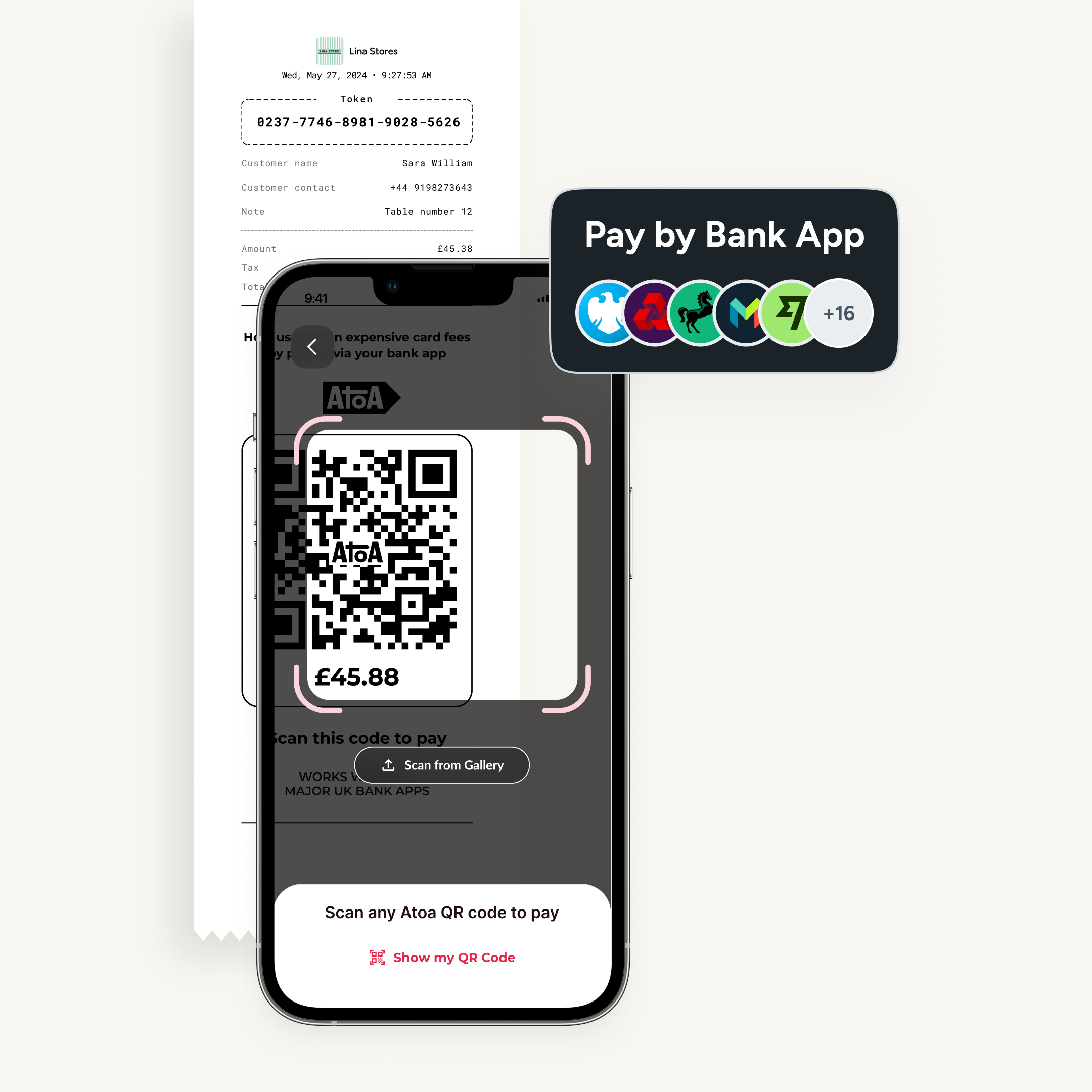
For many UK merchants, this is driving interest in account-to-account payment methods that let customers pay directly from their banking app. These approaches can reduce fees, cut friction, and align better with how quickly people now expect to check out.
Conclusion: Speed is the new advantage
Shopify stores do not slow down because demand disappears. They slow down because hidden friction and hidden costs quietly erode momentum. In a world where shoppers decide in minutes, every extra step matters. Every fee matters. Every delay matters.Merchants who uncover and tackle these hidden costs do more than save money. They build faster checkouts, stronger cash flow, and experiences that keep up with how modern ecommerce really works. And in today’s market, that speed can be the difference between simply surviving and truly scaling.
SHARE ARTICLE
Share link copied!