
Ready to get started?
Easily integrate next-generation payments and financial data into any app. Build powerful products your customers love.
SHARE ARTICLE


 Share link copied!
Pet owners rarely walk into a vet clinic expecting a quick, tidy bill. One moment it’s a routine check-up, the next it’s an unexpected scan, treatment plan, or overnight stay. When emotions are high and decisions need to be made quickly, payments can become the awkward part of the conversation. That is why deposits and split payments play such an important role in modern veterinary care.
In the UK, a standard vet consultation typically costs between £40 and £60. An emergency or out-of-hours visit can rise to £100 to £200 or more, before treatment even begins. Once procedures, medication, or ongoing care are involved, costs can increase significantly depending on the complexity of the case. For many pet owners, paying everything upfront is not always straightforward.
Why deposits and split payments matter
Deposits help clinics manage risk, secure appointment slots, and plan resources effectively. Split payments help owners commit to care without feeling overwhelmed by the full cost at once. When handled well, this approach supports both sides of the relationship.
The challenge is that traditional payment methods are not always designed for this kind of flexibility. Asking for large card payments at reception can lead to declines. Manual bank transfers often require follow-ups. Tracking who has paid what, and when, can quietly add to admin for already busy teams.
Making payments easier at the right moments
A smoother approach allows clinics to request a deposit clearly, then collect remaining balances later without confusion. Payment links sent by SMS or email let owners pay remotely, whether that is for an initial deposit, a follow-up appointment, or the final balance.
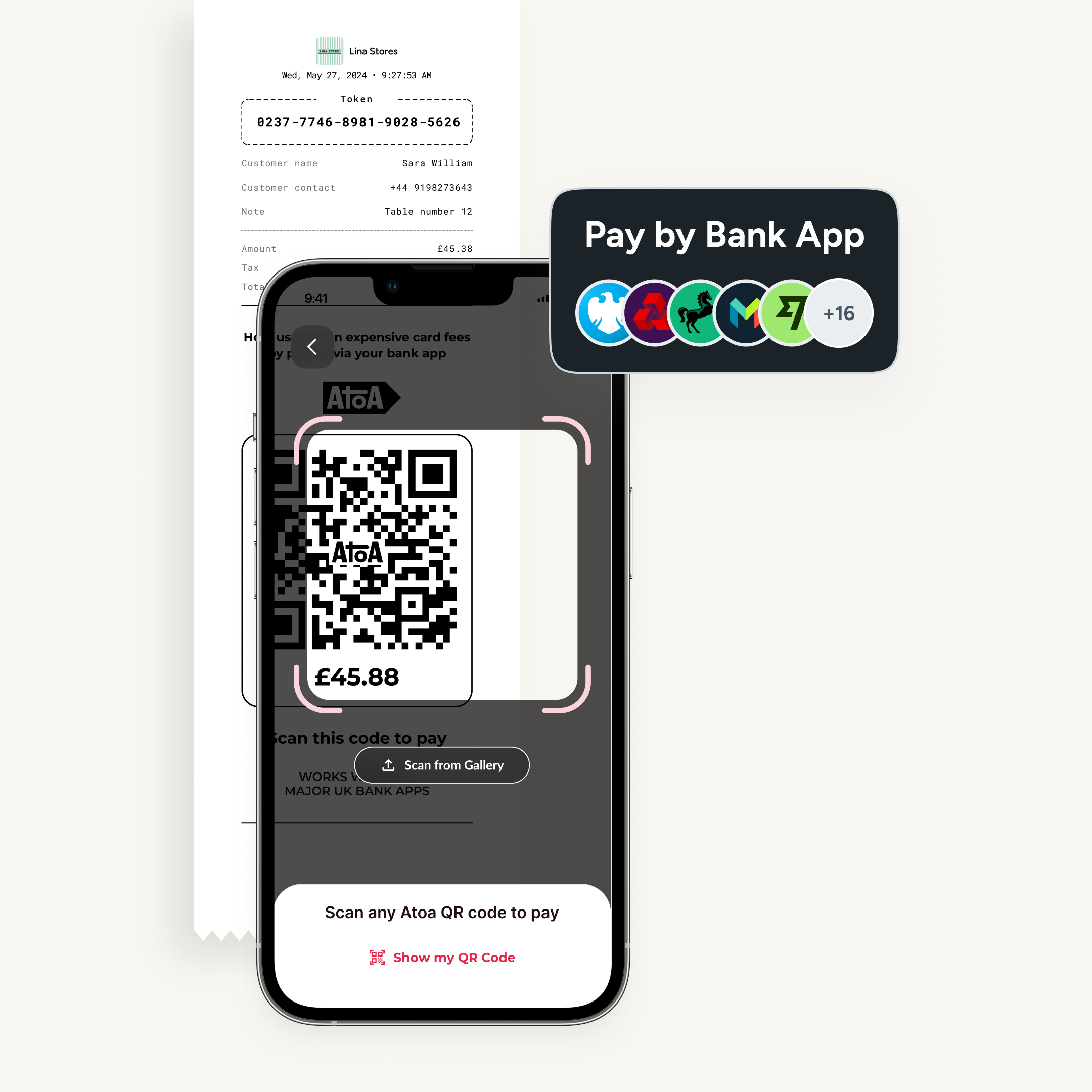
Pay by Bank is particularly well suited to this. Pet owners authorise payments directly in their banking app, which feels familiar and secure. Payments are confirmed clearly and settle quickly, reducing uncertainty for both the clinic and the customer. While Pay by Bank should be the preferred option for reliability and cost efficiency, offering card payments alongside it gives owners choice and avoids forcing a single method.
Flexible payments without extra admin
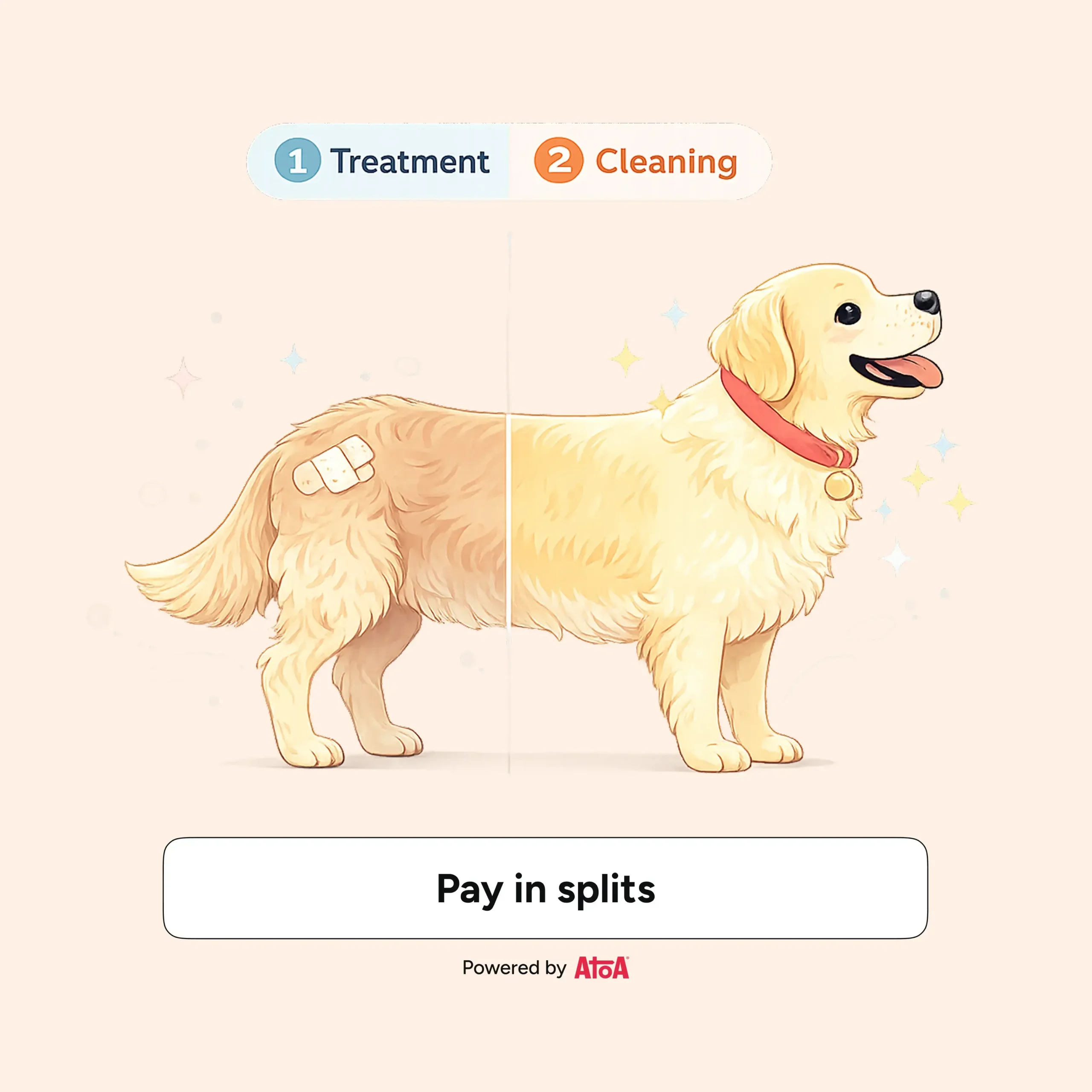
Flexibility should not mean complexity. Some payment providers, such as Atoa, offer features like Partial Payments, allowing clinics to accept part-payments in a structured way. This gives owners breathing room while ensuring the clinic maintains visibility over what has been paid and what remains outstanding.
When used properly, partial payments remove the need for awkward conversations or repeated reminders. Staff spend less time reconciling payments and more time focused on patient care.
Why choosing the right provider matters
Not all payment providers support deposits, split payments, and flexible collections equally well. Choosing the right partner means looking at how payments fit into real clinic workflows, not just headline fees. Reliability, clarity, and the ability to handle part-payments smoothly all matter in a veterinary setting.
The bigger picture: better payments = better care
At its core, veterinary care is about trust. Owners trust clinics to look after their pets, often at stressful and emotional moments. Payment systems should support that trust, not undermine it.
Clear deposits, flexible payment options, and reliable payment methods help owners make timely decisions and allow clinics to operate with confidence. When payments are simple and transparent, care can take centre stage where it belongs.
SHARE ARTICLE
Share link copied!